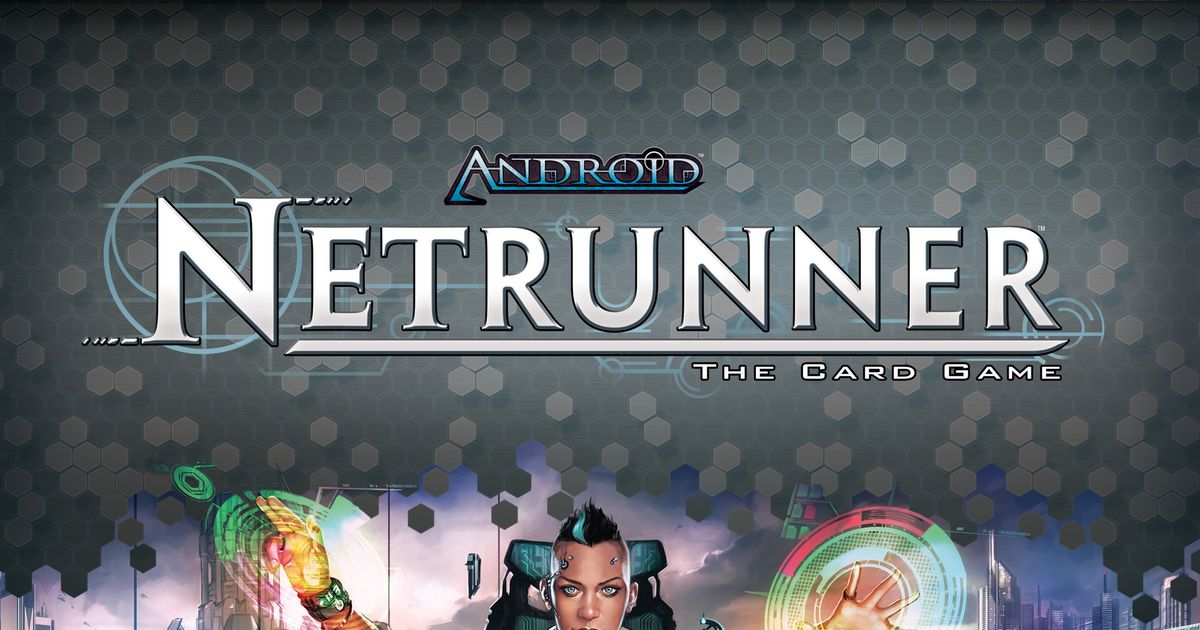
The hidden information in this one is the whole draw, the corp player sets up a shield of bluffs, servers that might be full of ICE or might be an empty threat, and the runner has to decide whether to trust a read or play it safe, and that decision, made under real uncertainty instead of dice odds, is the best part of any asymmetric card game I own. It’s not Magic. It’s not trying to be. Two completely different rulesets glued together at the win condition and somehow it works.
I own most of the cycle at this point, What Lies Ahead through the Kitara stuff, and the asymmetry is what keeps it interesting even solo-brainstorming deck ideas at the kitchen table. It fell flat with a couple people I’ve tried to teach it to though, and I’ll be honest about why: this is a game you have to lose a handful of times before it clicks, the corp’s whole plan is illegible to a new runner player and vice versa, and if someone bounces off game one they usually don’t come back for game three where it actually opens up.
Some people call it overrated for how high it sits on the rankings and I get that read too, it’s not straightforward, and constructed decks mean you can land in a genuinely brutal, unwinnable matchup through no fault of your own, that’s just the nature of the format. What keeps me coming back is that even a loss usually teaches me something specific about a bluff I misread, which is a rarer feeling in this hobby than it should be.
The card draws can run random early, but once you’ve got a deck tuned, most of that randomness turns into information you can actually play around.