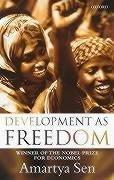
This is not light reading and I’m not going to pretend it is, but the idea underneath the density is one of those ones that rearranges how you look at things once it’s in there. Sen’s whole case is that poverty isn’t just a low income number, it’s capability deprivation, not having the actual freedom to live the kind of life you’d choose, and once you’ve read the famine chapters you can’t unsee that framing applied to a lot of other policy arguments you’ll run into afterward.
Heavy reading solidified into something I keep coming back to though, comma comma, months later I’m still using “capabilities approach” as a mental shortcut when I hear someone reduce a whole country’s wellbeing to one growth statistic. Sen grew up in Bangladesh and watched famine happen up close, and that’s not incidental to the argument, it’s the whole reason the book insists that democracy and a free press function as actual famine prevention, not decoration on top of a functioning economy.
Where I’ll agree with the boring complaint I’ve seen leveled at it is the middle stretch, there’s a run of chapters on ethics and political philosophy that reads like it’s arguing with an academic committee more than a general reader, and I put the book down twice before finishing that section. Worth pushing through. The famine and population material on either side of it is genuinely eye-opening and earns the slog.
Not a book I’d hand to someone looking for an easy read on economics. A book I’d hand to someone who wants the actual argument underneath every “developing countries just need more GDP growth” take they’ve half-absorbed without examining.